MALTA, Montana —The Ranchers Stewardship Alliance (RSA), in partnership with Malta Public Schools and the Montana Department of Labor, has wrapped up its 2026 Natural Resource Internship, with Malta High School student Travis Heppner completing 158 hours of hands-on conservation work across the Northern Great Plains.
Heppner, who is part of the Aaniiih Nakoda Tribe and grew up in Eastern Montana, spent the summer working alongside ranchers, conservation project planners, and researchers to gain real-world experience in land stewardship, wildlife monitoring, GIS mapping, and stream restoration. His work spanned four core skill areas: Community and Educational Development, Conservation Project Monitoring, GIS Mapping, and Stream Restoration, with the majority of his hours devoted to the internship’s centerpiece project.
“This internship is about showing rural young people that meaningful, impactful careers in natural resources exist right here in their own backyard, and that their communities directly benefit from their work,” said Maida Knapton, RSA Mapping Specialist, who managed and oversaw Travis’s internship throughout the summer.
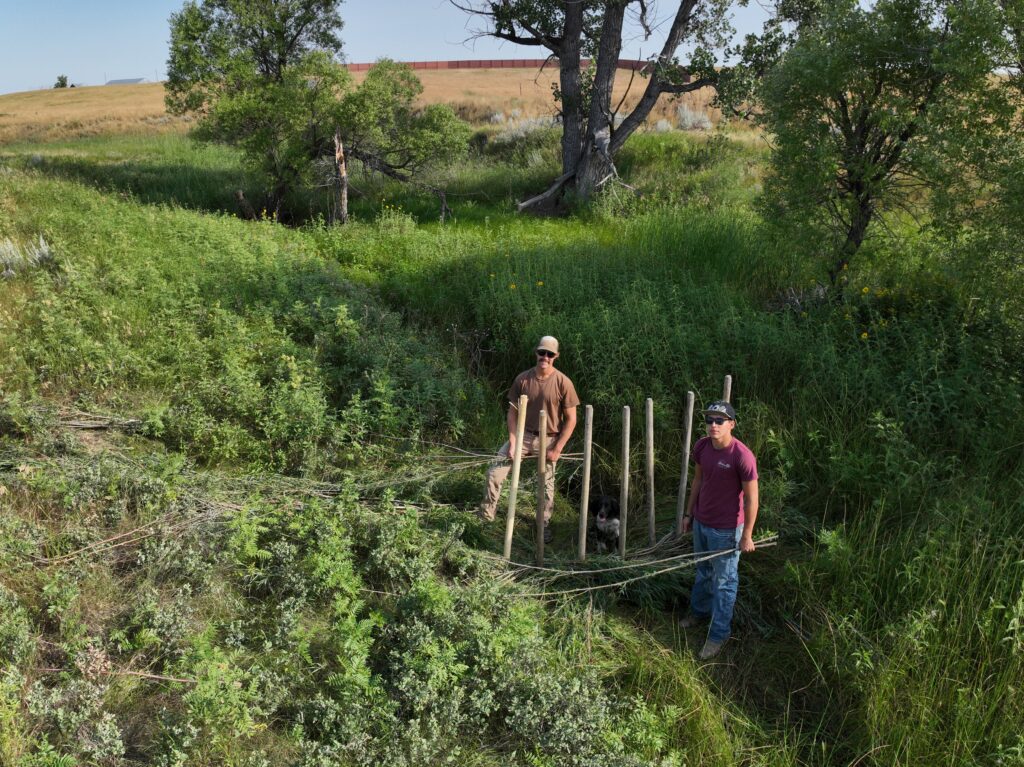
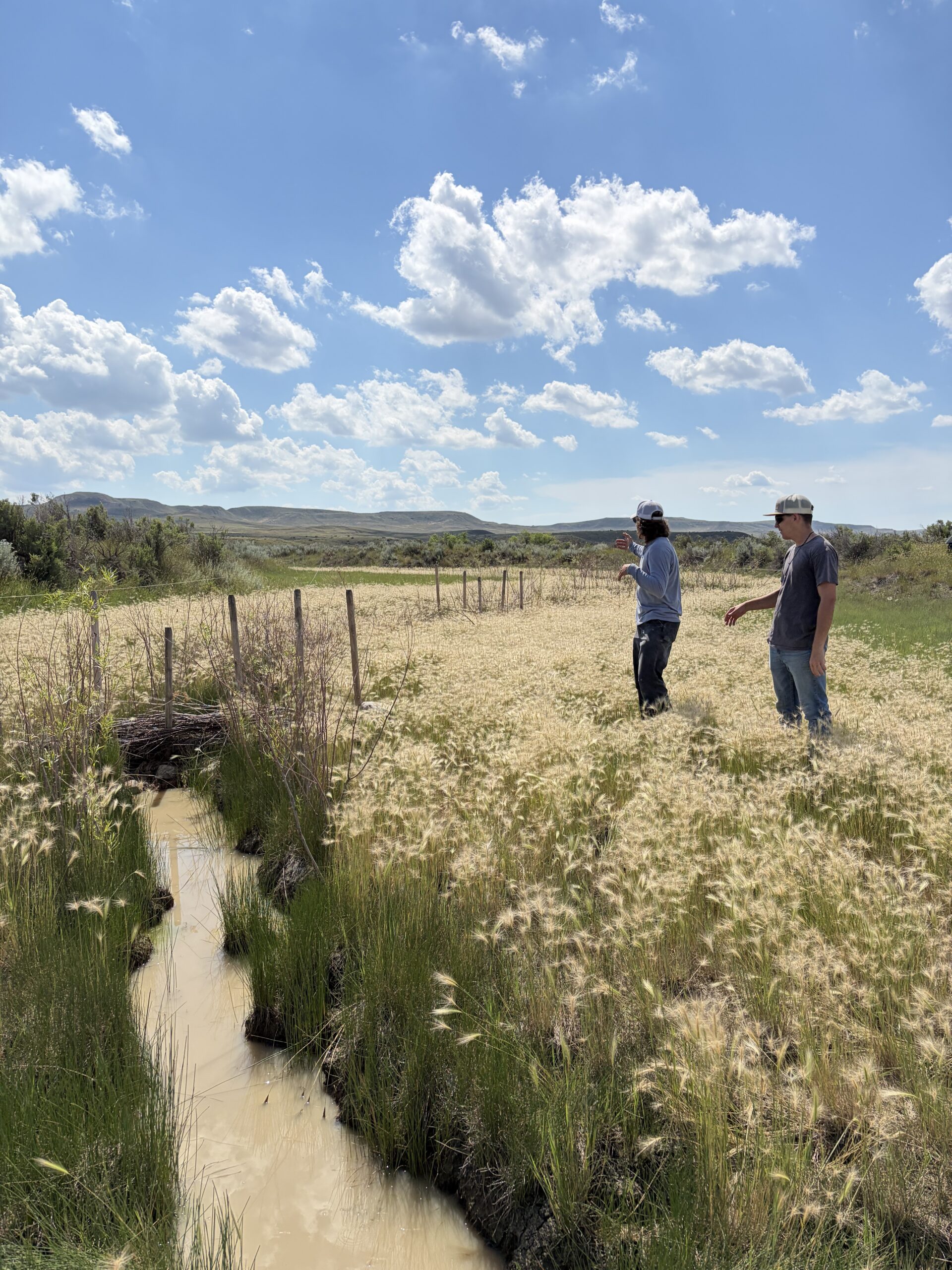
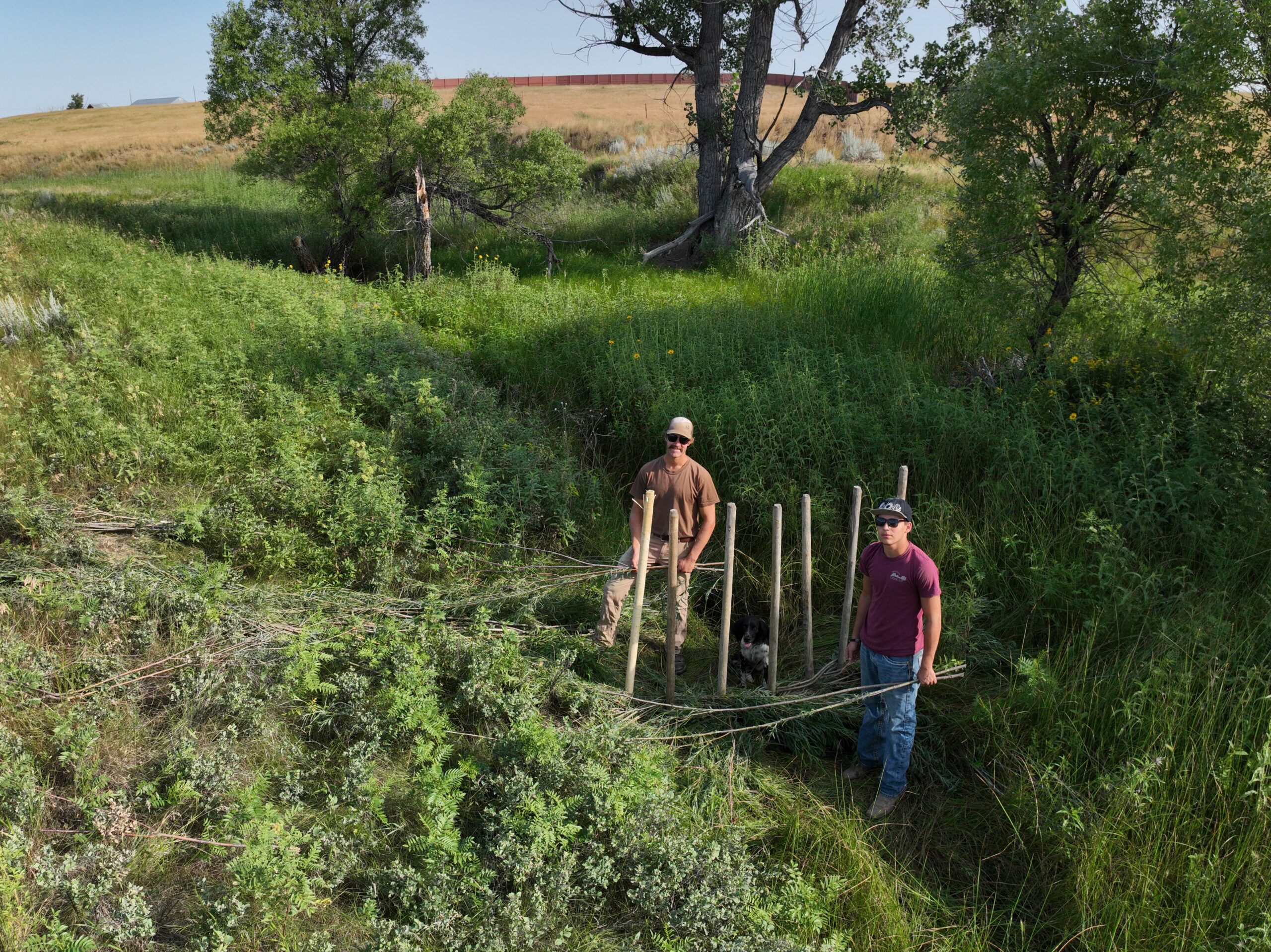
For his capstone project, Heppner worked with local rancher Dale Veseth and the RSA Conservation Team to plan and construct low-tech, process-based restoration structures along Fourchette Creek in Phillips County. Zach Cason served as Travis’s mentor for the mesic project, teaching him how to understand stream degradation, identify where to focus restoration efforts, and build restoration structures such as BDAs and PALS. Using willows, fence posts, sod, and logs, Heppner helped build four to six Beaver Dam Analog (BDA) structures and a Post-Assisted Log Structure (PALS) designed to slow water flow, capture sediment, and reconnect the creek with its floodplain.
The project sits within important sage-grouse habitat, and the restored mesic areas are expected to provide brood-rearing habitat for sage-grouse along with shelter and forage for songbirds, waterfowl, pronghorn, and other wildlife. Veseth, who has managed the land for hay meadows and winter grazing for decades, noted that the structures have already begun helping the creek rebuild its floodplain, with hopes for continued healing in the years ahead.
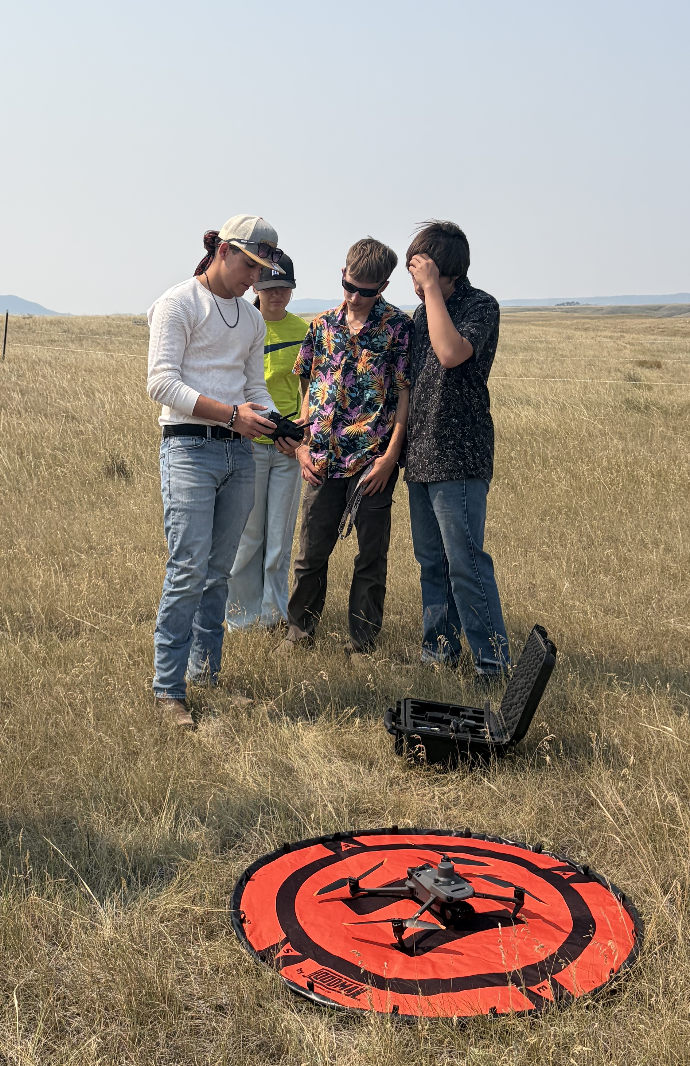
Beyond the restoration project, Heppner’s internship included environmental monitoring, riparian plant identification, bird tracking and monitoring, drone applications in conservation, and meetings with university researchers conducting big game studies.
Reflecting on his experience, Heppner wrote about his vision for the future of the Northeastern Montana prairie: “When I imagine the future of the Northeastern Montana prairie, I want people to be able to look across the wide-open grasslands and see healthy wildlife, clean water, and native plants. To me, the prairie is more than just land. It is an important part of Montana’s history, culture, and natural environment.”
He also spoke to the value of passing down traditional ecological knowledge, writing that he hopes schools will teach students more about how Native Americans cared for the land, calling it a way of “respecting the land, taking only what was needed, and not wasting resources.”
Through the internship, Heppner earned Malta High School credit and a Montana Department of Labor Pre-Apprenticeship Certificate as an NRCS Soil Conservation Planner, credentials that open doors to future careers in conservation, agriculture, and land management. He also built relationships with ranchers, researchers, and conservation professionals who can serve as mentors for years to come.
About the Ranchers Stewardship Alliance: The Ranchers Stewardship Alliance partners with Malta Public Schools and the Montana Department of Labor to offer a hands-on summer internship for local high school students. The program places students alongside conservation and land management professionals for real-world experience in land stewardship, wildlife management, data collection, environmental mapping, and stream restoration, work that sustains healthy landscapes and thriving rural communities in Phillips County and across the Northern Great Plains.